
Desert environments are among the most visually powerful settings for war films. The vast open landscapes, dramatic lighting, and rugged terrain can create an atmosphere that perfectly reflects the tension and isolation of modern combat zones.
However, filming a war movie in the desert requires careful logistical planning. Remote locations present unique challenges that filmmakers must address before production begins.
Understanding these logistics can help producers plan desert shoots efficiently while taking advantage of the cinematic benefits these environments offer.
Transportation and Access
One of the first challenges when filming in remote desert areas is transportation.
Productions must plan how to transport:
· camera equipment
· lighting gear
· vehicles and props
· crew members
Desert locations can sometimes be difficult to access, particularly if roads are limited.
For this reason, many productions prefer filming locations that combine remote landscapes with accessible infrastructure.
For example, the area around Deming, New Mexico offers wide desert landscapes while still being accessible via Interstate 10 and nearby cities such as El Paso and Las Cruces.
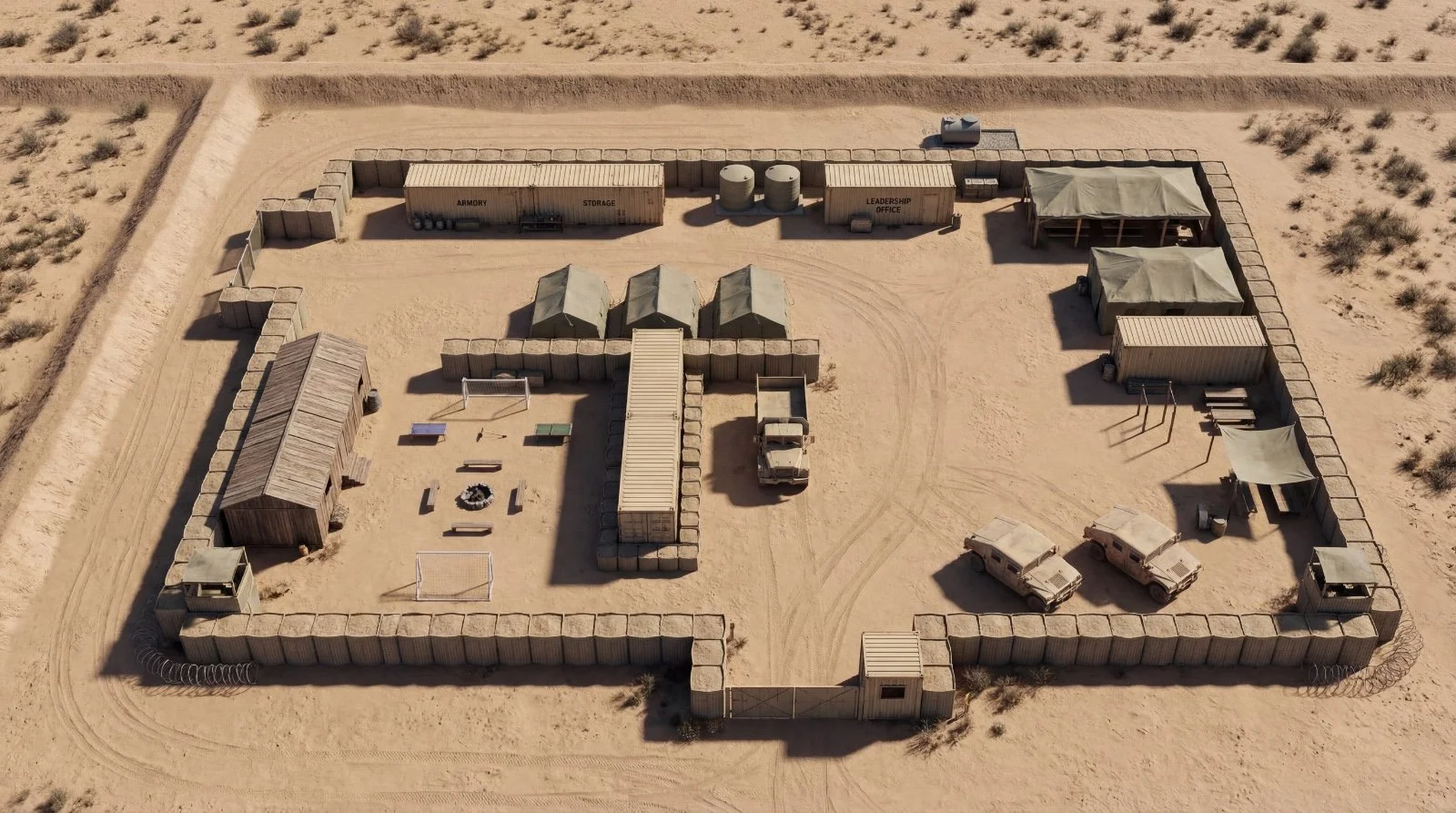
Wesely bros Military Set in Deming NM
Establishing a Base Camp
Desert productions often establish a base camp where crew members can gather between scenes.
A base camp typically includes:
· equipment storage
· shade structures
· catering services
· rest areas for cast and crew
Having a centralized base camp allows productions to operate efficiently even in remote environments.
Managing Weather Conditions
Desert weather can create both advantages and challenges.
Positive conditions often include:
· clear skies
· consistent sunlight
· dramatic sunsets
However, crews must also prepare for:
· extreme heat during the day
· temperature drops at night
· dust and wind
Productions often schedule filming early in the morning or later in the afternoon to avoid the hottest parts of the day.
Protecting Equipment
Dust and sand can damage sensitive camera equipment.
To protect gear, productions often use:
· protective covers
· sealed storage cases
· regular equipment cleaning
Proper preparation helps prevent technical issues during filming.
Using Controlled Desert Film Sets
One way to simplify desert logistics is by filming in purpose-built film locations designed for desert productions.
For example, the Wesely Bros Military Film Set in Deming, New Mexico combines a realistic military base environment with controlled filming infrastructure.
The property sits on roughly five acres of desert terrain and includes a Forward Operating Base layout with HESCO barriers, watchtowers, and multiple interior sets.
Because the location already includes key military environments, productions can film both interior and exterior scenes in one place without building large sets from scratch.
Nearby Landscapes
Another advantage of filming in southern New Mexico is the variety of nearby landscapes.
Within a few hours of Deming, productions can access:
· desert plains
· rugged mountain terrain
· forests in northern New Mexico
· urban environments in Albuquerque
This diversity allows productions to capture multiple environments while keeping production based in one general region.
Conclusion
Filming a war movie in the desert requires careful planning, but the visual rewards can be enormous.
By preparing for transportation, weather conditions, and equipment protection, productions can operate efficiently even in remote locations.
Regions such as southern New Mexico—and specialized locations like the Wesely Bros Military Film Set in Deming—provide filmmakers with cinematic desert environments while maintaining practical production logistics.