
How Film Productions Benefit from Shooting in Rural Locations
When filmmakers plan a production, the first locations that often come to mind are major film hubs like Los Angeles, New York, or Atlanta. These cities offer strong infrastructure and access to experienced crews, but they also come with high costs, complicated logistics, and crowded filming environments.
For this reason, many productions—especially independent films and mid-budget projects—are increasingly exploring rural filming locations. Shooting in smaller towns and remote areas can provide major advantages in terms of cost, flexibility, and creative freedom.
Across the United States, rural locations are becoming an essential part of the film production landscape. Places like southern New Mexico, for example, demonstrate how smaller communities can offer both practical production support and cinematic environments.
Lower Location Costs
One of the most immediate benefits of filming in rural areas is significantly lower location costs.
In major film cities, location rentals can be extremely expensive due to demand, permits, and limited availability. Renting specialized locations—such as industrial buildings, military-style environments, or large open spaces—can cost thousands of dollars per day.
Rural locations often provide similar environments at much lower rates.
For example, specialized filming environments in Los Angeles may cost:
$5,000 – $8,000 per day
In smaller communities and rural filming locations, comparable spaces may cost far less.
Locations such as the Wesely Bros Military Film Set in Deming, New Mexico, for example, typically rent for around:
$1,500 – $3,500 per day
For productions filming over several weeks, these differences can translate into tens of thousands of dollars in savings.
Easier Permits and Less Bureaucracy
Filming in major metropolitan areas often requires navigating complex permit systems and coordinating with multiple government agencies.
Productions may need to manage:
street closures
traffic control
police presence
large permit fees
neighborhood restrictions
In contrast, rural communities often offer much simpler permitting processes.
Local officials are frequently eager to support productions because of the economic benefits they bring to the area. As a result, productions may find it easier to secure locations and schedule filming.
More Space for Production Logistics
Large film productions require significant space for equipment, vehicles, and crew operations.
Urban filming locations often have limited space, which can create logistical challenges for:
equipment trucks
production trailers
base camps
parking for crew vehicles
Rural environments typically provide large open areas where productions can operate more freely.
This additional space can make it easier to stage complex scenes, particularly those involving vehicles, action sequences, or large groups of actors.
Greater Creative Freedom
Another major advantage of rural filming locations is creative flexibility.
In busy cities, productions must often adapt their plans due to noise restrictions, traffic patterns, and crowded environments.
Rural locations generally offer more freedom to:
control the filming environment
schedule shoots without heavy traffic interference
stage complex scenes more easily
This flexibility can allow filmmakers to achieve the visual style they want without constantly adjusting to urban limitations.
Access to Unique Locations
Smaller communities often provide access to unique locations that would be difficult or extremely expensive to obtain in major film markets.
For example, rural filming locations may include:
abandoned industrial buildings
farmland and ranches
remote highways
aircraft hangars
regional airports
desert landscapes
These environments can be extremely valuable for productions filming action movies, war films, thrillers, or science fiction stories.
In major film cities, renting similar locations often involves complex permitting and much higher costs.
Diverse Landscapes Within Short Distances
Many rural regions also offer surprisingly diverse landscapes within relatively short driving distances.
For example, the state of New Mexico is known for its variety of environments. Within just a few hours of driving, productions can move between:
desert landscapes
mountain ranges
forests
grasslands
historic towns
modern cities
This geographic diversity allows filmmakers to capture multiple environments while keeping production based in one general area.
For independent productions, this flexibility can reduce travel costs and simplify logistics.
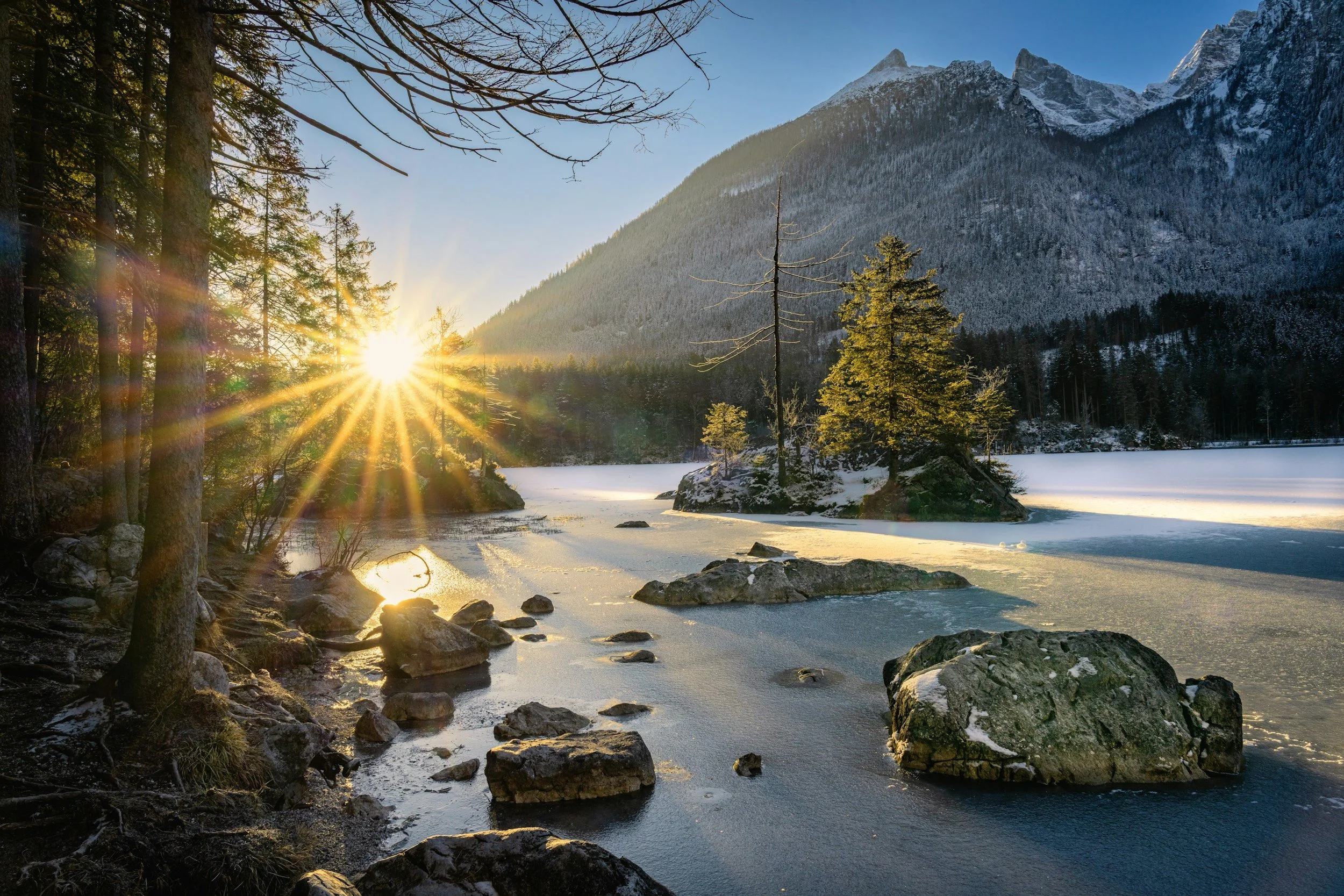
Rural Landscapes for War and Action Films
Rural locations are particularly valuable for productions that require large outdoor environments.
War films and action movies often need landscapes that allow for scenes involving:
vehicle convoys
large-scale action sequences
remote military bases
drone or aerial shots
Southern New Mexico, for example, offers wide desert landscapes that resemble environments in regions such as the Middle East and North Africa.
This makes the area a popular war movie filming location in the United States.
A Military Film Set in Rural New Mexico
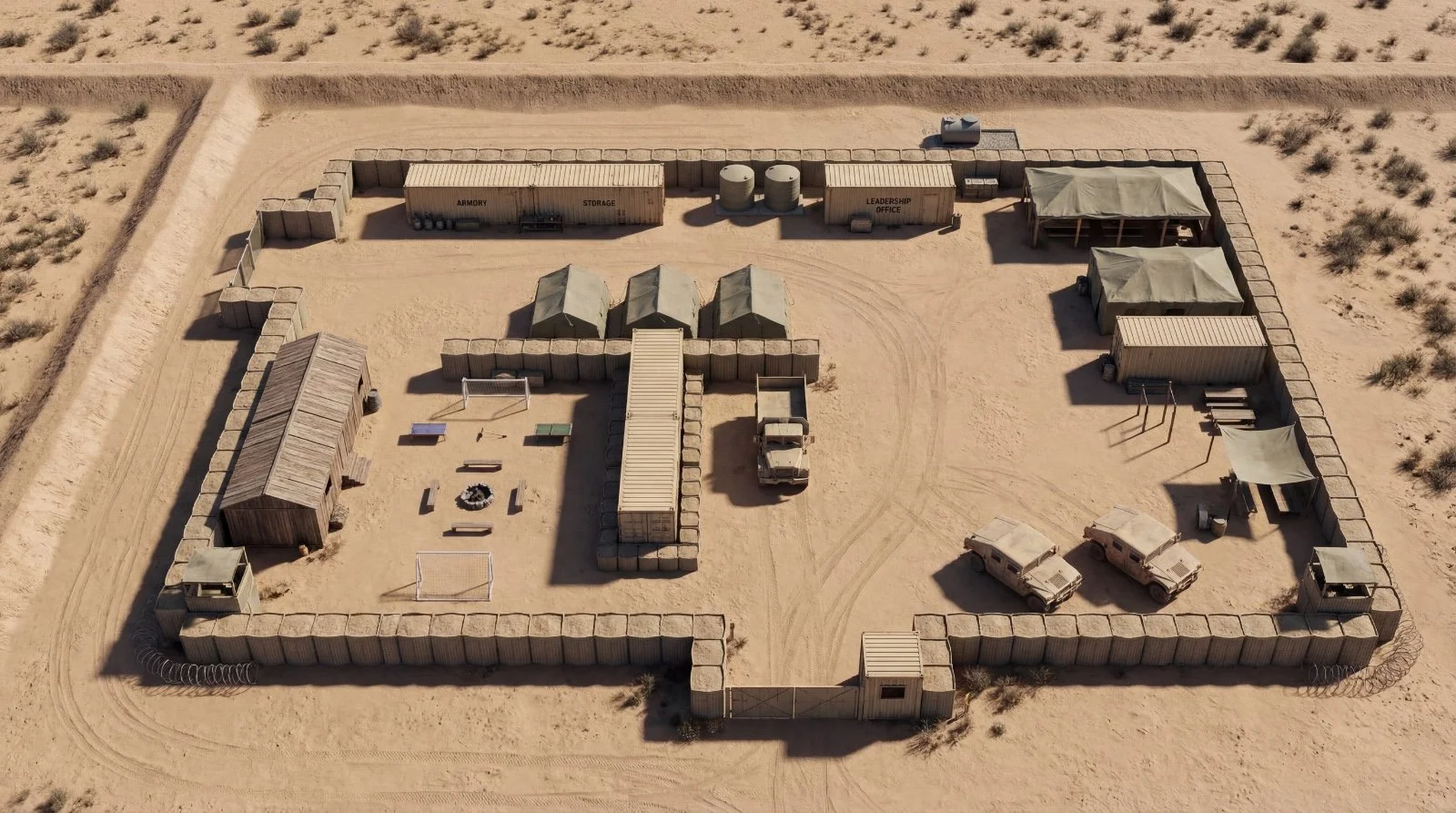
One example of a filming location designed specifically for these types of productions is the Wesely Bros Military Film Set in Deming, New Mexico.
Located on approximately five acres of desert terrain, the set is designed as a realistic Forward Operating Base (FOB).
The central base covers roughly 1,350 square meters and includes defensive elements such as:
HESCO barriers
barbed wire defenses
defensive perimeter walls
two entrance gates
two watchtowers
A camp of this size would realistically house 70–100 soldiers, making it suitable for many military film scenes.
Because the set already exists, productions can film in a realistic environment without building large military sets themselves.
Interior Military Sets Available
The location also includes four shipping containers converted into interior film environments, allowing productions to capture multiple scenes in one location.
These include:
Barracks Container
bunk beds
two working bathrooms
functional shower
captain’s quarters
Armory Container
military uniforms
helmets
tactical vests
prop weapons
Command Office Container
mission briefings
strategy discussions
Medical Container
field hospital environment
treatment bed for battlefield scenes
These interior environments allow productions to capture several key story settings without needing additional construction.
Film-Friendly Rural Communities
Another advantage of rural filming locations is the support offered by local communities.
Smaller towns often welcome film productions because they bring economic activity to the region. Local governments may actively assist productions with location scouting and logistical coordination.
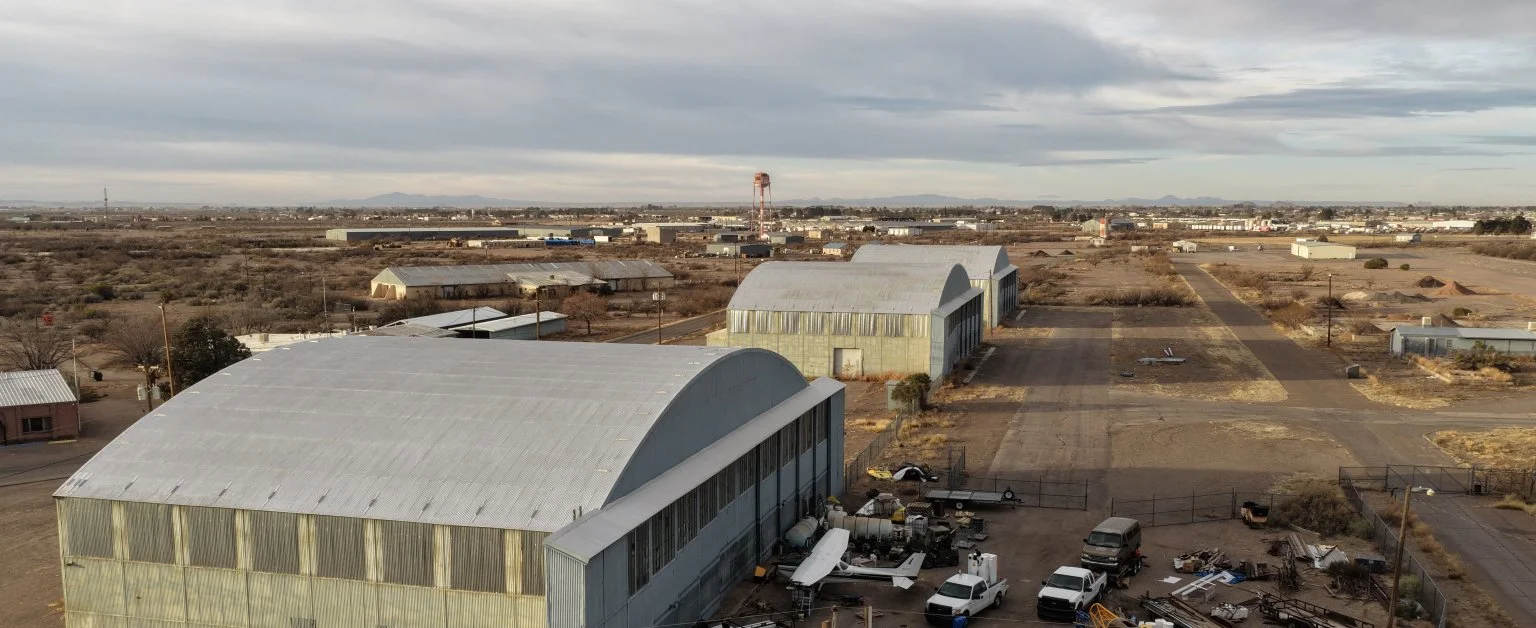
For example, the city of Deming, New Mexico has become increasingly supportive of film productions.
Filmmakers may find access to locations such as:
aircraft hangars
small regional airports
industrial facilities
rural highways and open desert
In large production cities, renting similar environments can be extremely expensive. In smaller communities, they are often available at much lower cost.
Strategic Access to Larger Cities
Despite their rural settings, many filming locations remain accessible to larger cities and transportation hubs.
For example, Deming, New Mexico is located within driving distance of:
El Paso – about 1.5 hours (international airport)
Las Cruces – about 1 hour
Tucson – about 3 hours
Albuquerque – about 4 hours
Phoenix – about 4.5 hours
This allows productions to combine the advantages of rural filming environments with access to nearby infrastructure.
Conclusion
Rural filming locations are becoming increasingly important for film productions of all sizes. Lower costs, easier permits, open landscapes, and supportive communities make these environments highly attractive for filmmakers.
Regions such as southern New Mexico demonstrate how rural areas can provide both cinematic landscapes and practical production advantages.
Locations like the Wesely Bros Military Film Set in Deming, New Mexico show how purpose-built environments in rural areas can help filmmakers create realistic scenes while maintaining efficient production workflows.
For filmmakers searching for affordable filming environments, desert film locations, or large open spaces for action scenes, rural locations continue to offer some of the most compelling opportunities in modern film production.